
The United Kingdom’s decision to leave the European Union, commonly known as Brexit, has significant implications for trade relationships worldwide. One area that requires careful consideration is the trade-related aspects of post-Brexit laws vis-à-vis the African Union (AU). This blog aims to explore the potential impacts, challenges, and opportunities that may arise from the UK’s departure from the EU on trade between the UK and AU member countries.
The African Union and Its Trade Landscape.
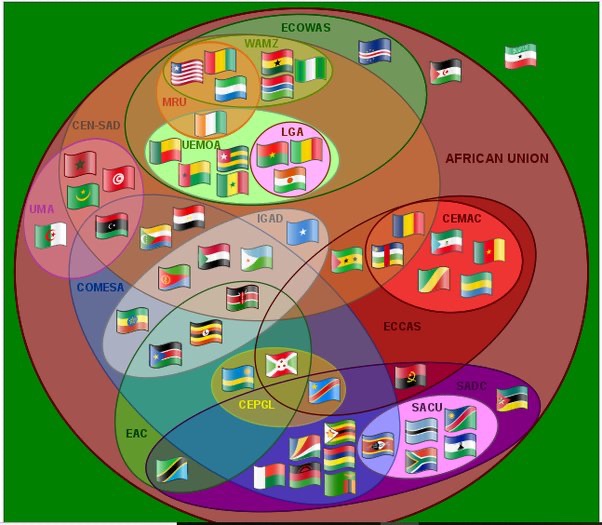
The African Union, established in 2002, is a continental organization comprising 55 member states. The AU actively promotes regional integration and economic cooperation among its members. The African Continental Free Trade Area (AfCFTA), launched in 2018, aims to create a single market for goods and services across the continent. This ambitious project presents opportunities for trade with the UK post-Brexit.
Implications of Brexit on UK-AU Trade include trade agreements,tariffs and Non-tariff barriers and market access.
Trade Agreements, as a member of the EU, the UK currently benefits from existing trade agreements between the EU and AU member countries. Post-Brexit, the UK will need to renegotiate these agreements to ensure continuity in trade relationships.
The UK’s departure from the EU may result in the reestablishment of tariffs and non-tariff barriers between the UK and AU countries. This could impact the competitiveness and cost of trade between the two regions.
Market Access, the AU represents a vast market with a growing middle class and emerging economies. The UK will need to ensure favorable market access for its goods and services in AU member countries post-Brexit.
Opportunities for UK-AU Trade Post-Brexit include,enhanced Bilateral Trade Agreements.Brexit provides an opportunity for the UK to negotiate tailored bilateral trade agreements with individual AU member countries, focusing on specific sectors and addressing unique trade challenges.
Investment and Infrastructure.The UK can play a crucial role in supporting AU member countries’ infrastructure development and investment needs, leading to increased trade and economic growth.
Knowledge and Skills Transfer, the UK possesses expertise in various sectors, including finance, technology, and education. Collaboration with AU member countries can facilitate knowledge and skills transfer, fostering economic development and trade.
Challenges and Potential Mitigation Strategies.
Capacity Building many AU member countries face capacity challenges in trade negotiations. The UK can support capacity building initiatives to ensure that AU countries can effectively negotiate trade agreements that benefit both parties.
Rules of origin can be complex and pose challenges for exporters. The UK and AU member countries should work together to simplify and harmonize rules of origin to promote trade.
Given the historical trade relationships between the EU and AU, coordination between the UK and the EU on trade policies and regulations will be crucial to avoid disruptions and maintain smooth trade flows.
Navigating the trade-related aspects of post-Brexit laws vis-à-vis the African Union presents both challenges and opportunities for the UK. By actively engaging with AU member countries, the UK can forge new trade partnerships, support economic development, and strengthen its global presence. However, careful planning, negotiation, and collaboration will be essential to ensure a smooth transition and maximize the benefits for both the UK and AU member countries.
 Site Title